
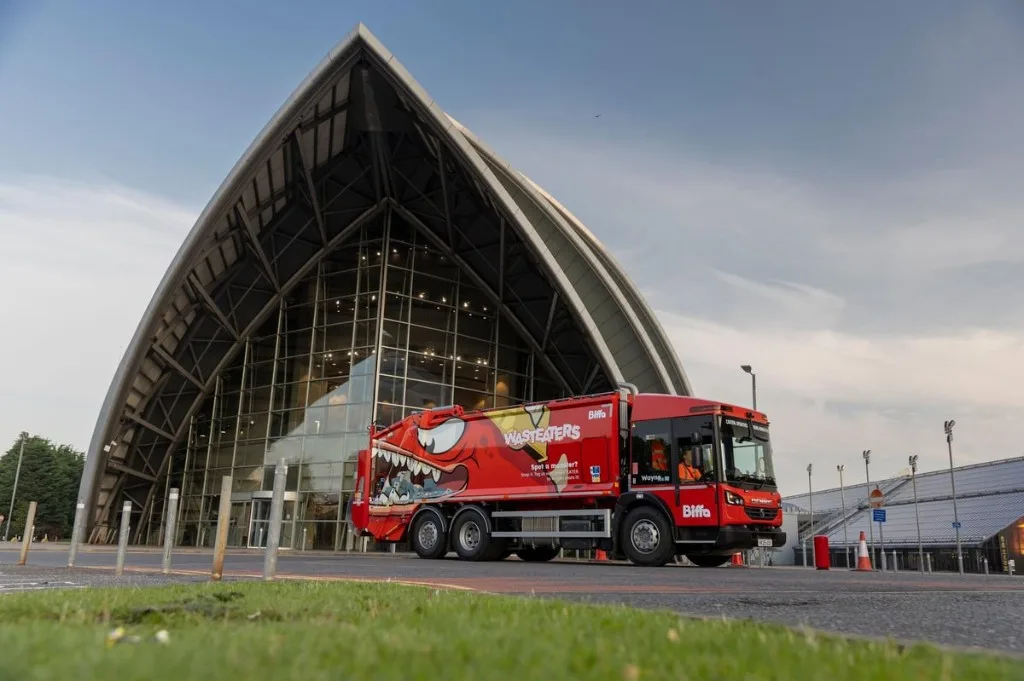
Biffa collects household and commercial waste across the UK. For its Glasgow operation, Dynamon used ZERO to replay the refuse fleet’s own telematics and test which electric collection vehicles could cover the rounds — and what charging the depots need before those vehicles are ordered.
Customer

Key outcomes
- 222,000 miles of historical telematics from all 36 Glasgow vehicles, averaging 64 driving days each. Every vehicle had driving data.
- Two depots and a warehouse. Charging was tested where the vehicles are based — Glasgow Depot and Glasgow Bargeddie — and at a warehouse they visit, from 50 kW up to 150 kW.
- The larger battery changed the result. At 150 kW, a Mercedes refuse vehicle completed a clear majority of recorded days at both depots. A Dennis Eagle completed around half.
What ZERO showed
The Glasgow fleet is based at two depots and calls at a warehouse during the working day. ZERO took the historical telematics for all 36 vehicles — 222,000 miles, about 64 driving days each — and replayed those duty cycles as electric refuse collection vehicles.
Two products were compared: a Dennis Eagle and a Mercedes with a larger battery. Charging was modelled from 50 kW up to 150 kW at the depots where the vehicles already park, and at the warehouse they visit, so the infrastructure followed the rounds. At 150 kW across both depots, the Mercedes finished a clear majority of the recorded days. The Dennis Eagle finished around half. The same runs compared the cost of the vehicles and the charging, so the battery and the depot power can be chosen together. That is the evidence Biffa can use to decide which refuse vehicles to invest in, and what the Glasgow sites need before they arrive.
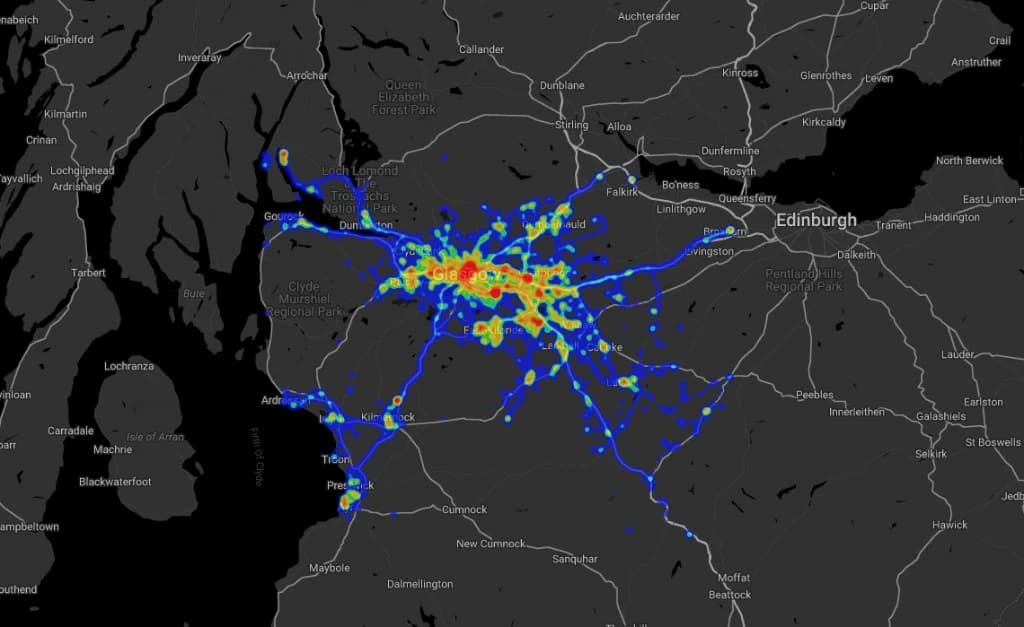
222,000 miles of refuse rounds, two battery sizes, and depot charging up to 150 kW: that is what Dynamon prepared so Biffa can electrify its Glasgow waste collection vehicles with the charging to match.