
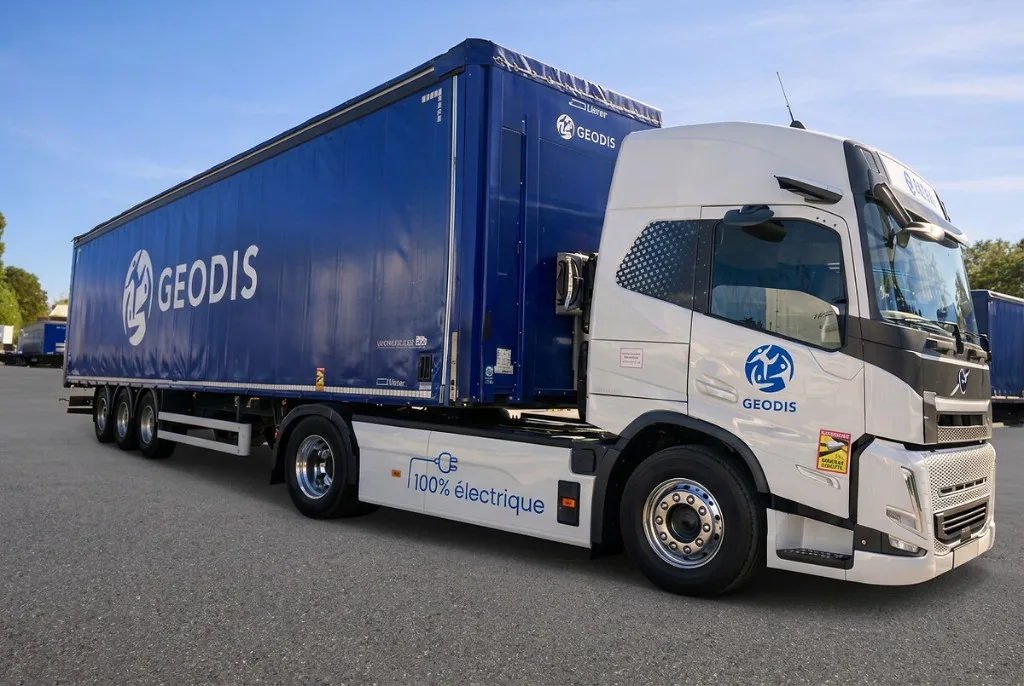
Geodis needed a practical view of how electric heavy goods vehicles could take on work from its depot at Saint-Hélène-du-Lac. In partnership with Volvo Trucks, Dynamon used ZERO to replay the depot’s historical telematics, compare battery sizes against those duty cycles, and set out depot charging together with the cost and CO₂ consequences of a switch. That operational evidence supported Geodis’s decision to order electric trucks from Volvo Trucks and Renault Trucks.
Customer

Key outcomes
- Hundreds of thousands of km of historical telematics collected from operations based at Geodis’s Saint-Hélène-du-Lac depot.
- Battery sizes compared against recorded duty cycles, so the vehicle specification followed the work the depot already runs.
- Depot charging, cost and CO₂ presented together: infrastructure for the site, total cost of ownership, and the emissions case for switching.
- 110 electric trucks later ordered by Geodis from Volvo Trucks and Renault Trucks, with deliveries expected by May 2027.
The challenge
A heavy goods operation cannot choose an electric truck from a brochure and assume the depot will cope. Daily distance, time back on site and the shape of each duty cycle decide whether a given battery finishes the work, and the same pattern decides how the yard has to be equipped to charge.
Geodis and Volvo Trucks needed that picture for Saint-Hélène-du-Lac, taken from the journeys the depot already runs, before anyone committed vehicles or infrastructure.
The approach
Dynamon, working with Volvo Trucks, collected historical telematics for operations out of the depot — hundreds of thousands of kilometres of recorded driving. In ZERO, those duty cycles were assessed against a range of battery sizes, so the partners could see which specifications completed the work and where a different pack would change the result.
The same operating record was used to design charging for the depot: how much energy a day’s work requires, when vehicles are back on site, and what infrastructure would keep them available for the next shift.
Alongside the operational model, Dynamon presented a total cost of ownership comparison and a CO₂ comparison. Feasibility, cost and emissions could be read as one case rather than three separate exercises.
The results
The study gave Geodis and Volvo Trucks a depot-level answer: where electric heavy goods vehicles fitted the recorded operation, which battery sizes were viable, and how Saint-Hélène-du-Lac would need to charge them. Cost and CO₂ sat in the same set of findings.
Geodis has since ordered 110 electric 44-tonne trucks from Volvo Trucks and Renault Trucks, with deliveries expected by May 2027 for road transport work in France. Dynamon’s role was to supply the operational evidence from this depot that helped that purchasing decision — a practical result for Geodis, and for both manufacturers.
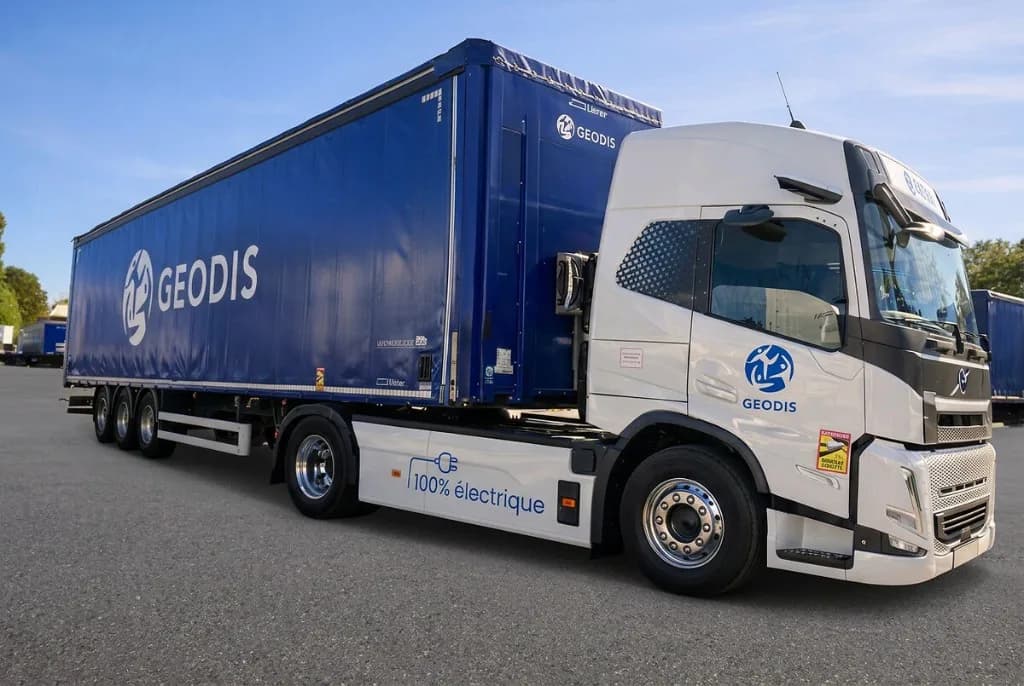
Hundreds of thousands of kilometres of telematics, a battery comparison, a depot charging design, and a cost and CO₂ case: that is what Dynamon and Volvo Trucks put in front of Geodis before the electric vehicle order.