
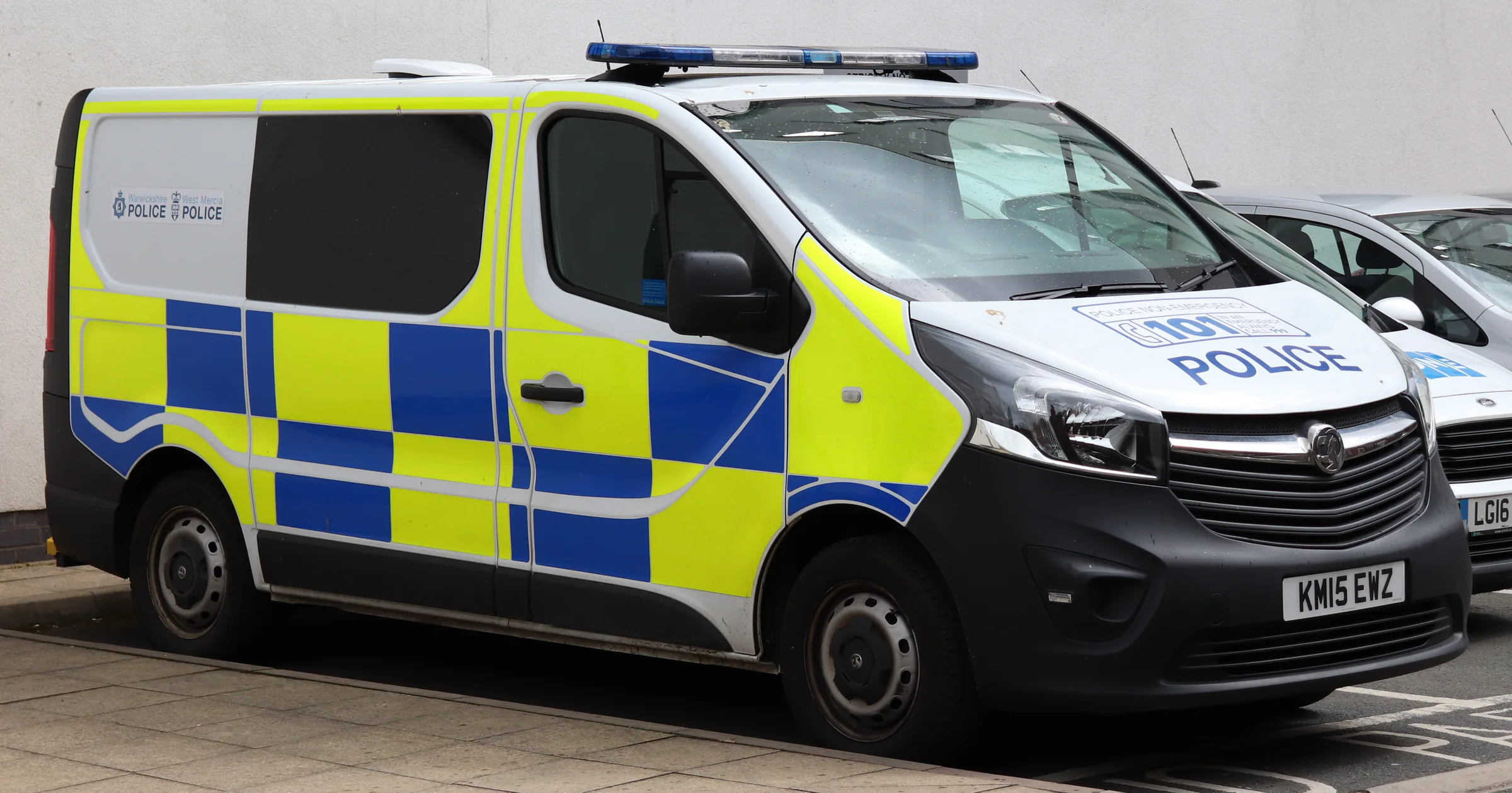
Preparing UK police forces for fleet electrification. Commissioned by the Midlands Net Zero Hub and the Department for Energy Security and Net Zero (DESNZ), Dynamon used ZERO to build a robust evidence base for the scale of police fleet electrification — and the investment needed to deliver it.
Commissioned with



Project highlights
- 10 police forces analysed in detail across approximately 300 operational sites.
- ~300 sites assessed for vehicle feasibility, charging layouts and grid investment.
- 3 regional clusters studied for shared infrastructure across police, fire and ambulance.
- Up to 20% grid upgrade cost reduction identified at suitable co-located sites.
- 48 UK forces included in the first national assessment of police fleet electrification needs.
“By combining Dynamon’s analysis with real operational fleet data and input from police subject matter experts, this project provides a robust evidence base for understanding the scale of police fleet electrification and the investment needed to deliver it.”
Kate Kirk-Walsh, Net Zero Projects Manager, Midlands Net Zero Hub
The challenge
Police forces across the UK face a complex transition to zero-emission vehicles while maintaining frontline capability, emergency response readiness and estate resilience. Diverse vehicle types, varied duty cycles, dispersed depots and critical infrastructure make planning harder than for most commercial fleets.
Forces need to know which vehicles can electrify, where charging is required, how much grid capacity is needed and what the transition will cost — so plans stay practical and affordable.
Ten forces were analysed in depth: West Yorkshire Police, South Yorkshire Police, Nottinghamshire Police, Leicestershire Police, Lincolnshire Police, Northamptonshire Police, Cheshire Constabulary, North Yorkshire Police, Dorset Police, and Devon & Cornwall Police.
The approach
Dynamon was commissioned by the Midlands Net Zero Hub and DESNZ to deliver a multi-stage police fleet electrification programme.
Using telematics-led analysis in ZERO, Dynamon built detailed electrification plans for ten forces — covering vehicle feasibility, charging requirements, depot layouts, grid upgrades and investment costs across around 300 operational sites. Participating forces also received ZERO access for further scenario planning.
Regional clustering studies across police, fire and ambulance services in Nottinghamshire, South Yorkshire and West Yorkshire explored shared electrical infrastructure opportunities while preserving operational independence.
Force-level and clustering outputs were then combined into a UK-wide police fleet electrification report covering all 48 UK police forces and agencies.
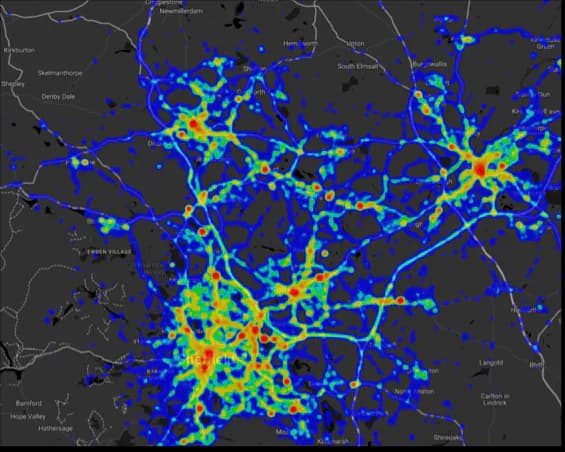
The results
Dynamon delivered detailed fleet decarbonisation plans for ten police forces — a clear evidence base for vehicle replacement, charging deployment and grid connection planning.
Clustering assessments showed that shared infrastructure can cut grid upgrade costs by around 20% at suitable co-located emergency service sites, without compromising operational independence.
The programme produced the first UK-wide assessment of police fleet electrification infrastructure requirements across all 48 forces and agencies. It is informing discussions with government and stakeholders on funding, infrastructure planning and the long-term transition to zero-emission police fleets.
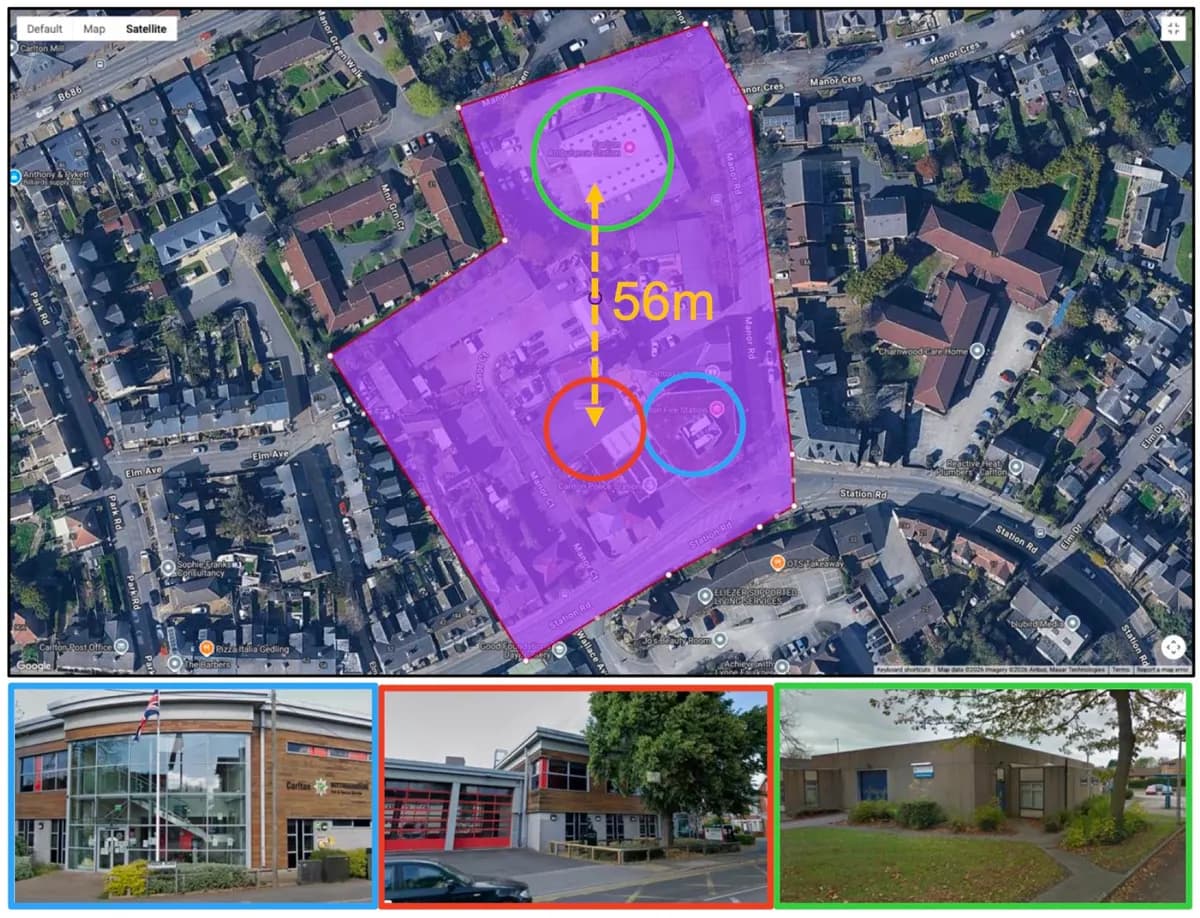
From force-level plans to a national evidence base, ZERO helped Midlands Net Zero Hub and DESNZ turn police fleet electrification from a policy ambition into an investable programme.