
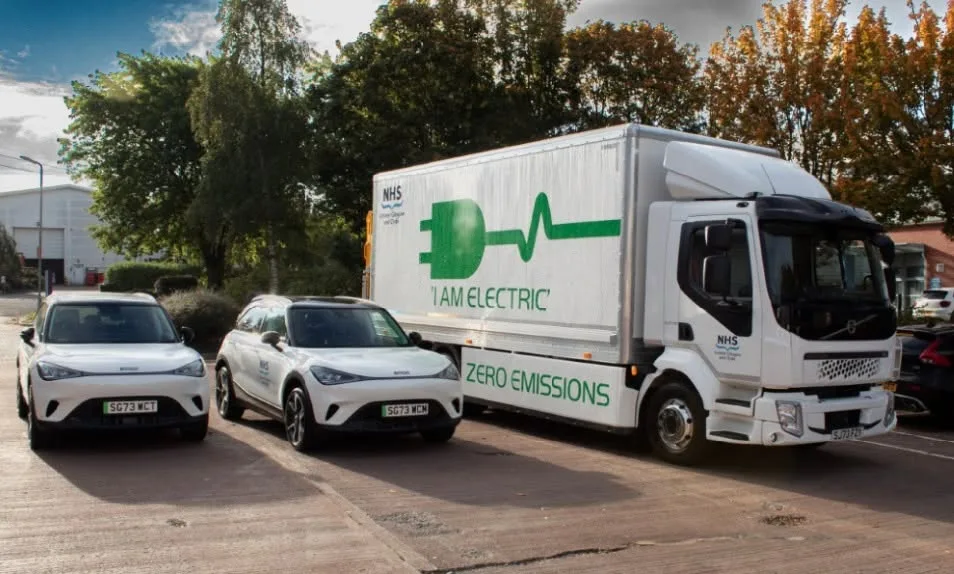
NHS Scotland has awarded Dynamon the work to produce a phased national decarbonisation plan for its heavy fleet, and an indicative strategy for the charging infrastructure that fleet will need.
Customer
The programme
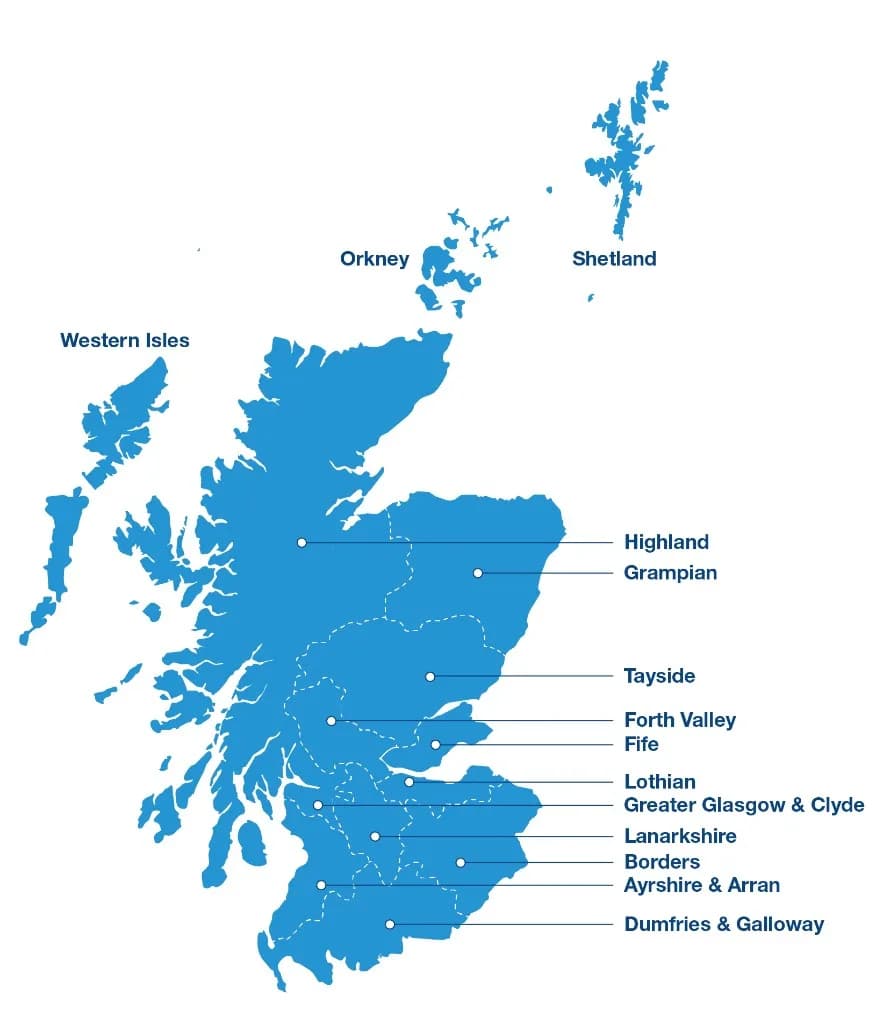
- Nine boards. A national programme for the heavy fleet. More detailed plans for each board follow the national view.
- About 130 vehicles. From 3.5 tonnes to 44 tonnes.
- Telematics and modelled routes. Recorded telematics where it exists, and synthetic routing where it does not, so the whole heavy fleet is in view.
- Charging, coverage and transition. The plan maps the charging the fleet needs, which routes an electric vehicle can cover, and where the transition can start.
A national plan, then the boards
The commission starts with one evidence-based plan for the heavy fleet, before the board-level detail is drawn. ZERO will test the duty cycles from 3.5 tonnes to 44 tonnes: the energy each route needs, whether an electric vehicle can complete it, and where charging has to sit for that to happen.
About 130 vehicles sit across nine boards. Some routes come from telematics. Others are modelled, so a vehicle without a full recorded history is still part of the national picture.
This page is a holding note. The full case study will be published once the analysis is complete and approved for release. The board-level plans come after the national strategy.
A phased national HGV decarbonisation plan, an indicative charging strategy, and board-level plans to follow. That is the programme Dynamon is delivering for NHS Scotland.