
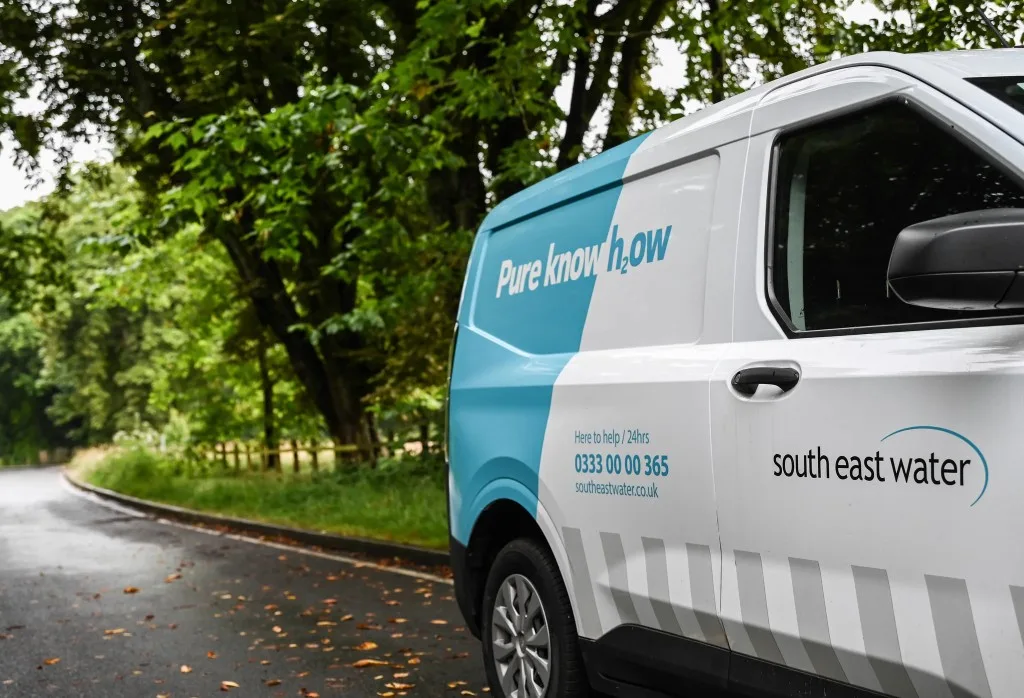
South East Water needed a full electrification feasibility view of its fleet: which internal-combustion vehicles an electric alternative could replace, and at what battery size and charging power. Dynamon analysed more than 500 vehicles across 29 depots, using 3.2 million miles of historical telematics in ZERO. The simulation compared 7 kW home charging with 50 kW and 100 kW DC charging, and a range of battery sizes, so each replacement could be matched to the work.
Customer

Key outcomes
- More than 500 vehicles across 29 depots, with 3.2 million miles of historical telematics analysed for a full electrification feasibility study.
- 7 kW, 50 kW and 100 kW charging compared: 7 kW home charging, 50 kW DC and 100 kW DC, against the same recorded duty cycles.
- Battery size optimised across a range of electric alternatives, so each internal-combustion vehicle is matched to a battery that fits its work.
The challenge
A water utility fleet is spread across many depots, and the vehicles do not all do the same day. Replacing an internal-combustion vehicle with an electric one means choosing a battery large enough for the recorded work without carrying surplus capacity, and choosing a charger the operation can actually use — at home overnight, or on a DC post at the depot.
South East Water needed that answer for the whole fleet, from its own telematics, rather than from a single vehicle specification applied everywhere.
The approach
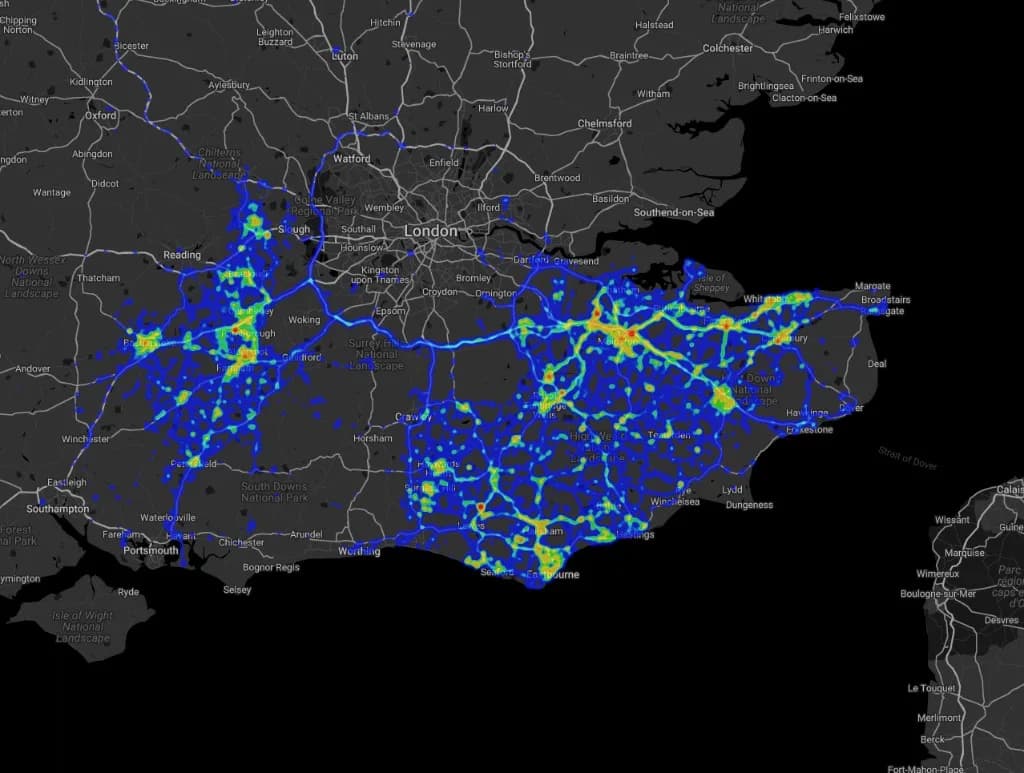
Dynamon collected historical telematics for more than 500 vehicles based at 29 depots — 3.2 million miles of recorded driving. In ZERO, those duty cycles were replayed against alternative electric vehicles, with a range of battery sizes, so the replacement for each internal-combustion vehicle could be sized to the work.
The same journeys were then tested under three charging setups: 7 kW home charging, 50 kW DC and 100 kW DC. That shows how the feasible battery changes when a vehicle can only charge slowly overnight, and when it has access to faster depot charging.
The results
The study gives South East Water a fleet-wide feasibility picture. For each part of the operation it shows which vehicles an electric alternative can cover, which battery size fits, and how 7 kW home charging compares with 50 kW and 100 kW DC for keeping those vehicles in service.
Battery size is the lever. A smaller pack is enough where the recorded mileage and the available charging already meet, and a larger pack is reserved for the duty cycles that need it. The charging comparison shows where home charging is sufficient and where DC charging at 50 kW or 100 kW changes what the fleet can electrify.
From 3.2 million miles of telematics across 29 depots, ZERO set out where electric vehicles can replace the South East Water fleet, which battery size fits, and what 7 kW, 50 kW and 100 kW charging changes.