
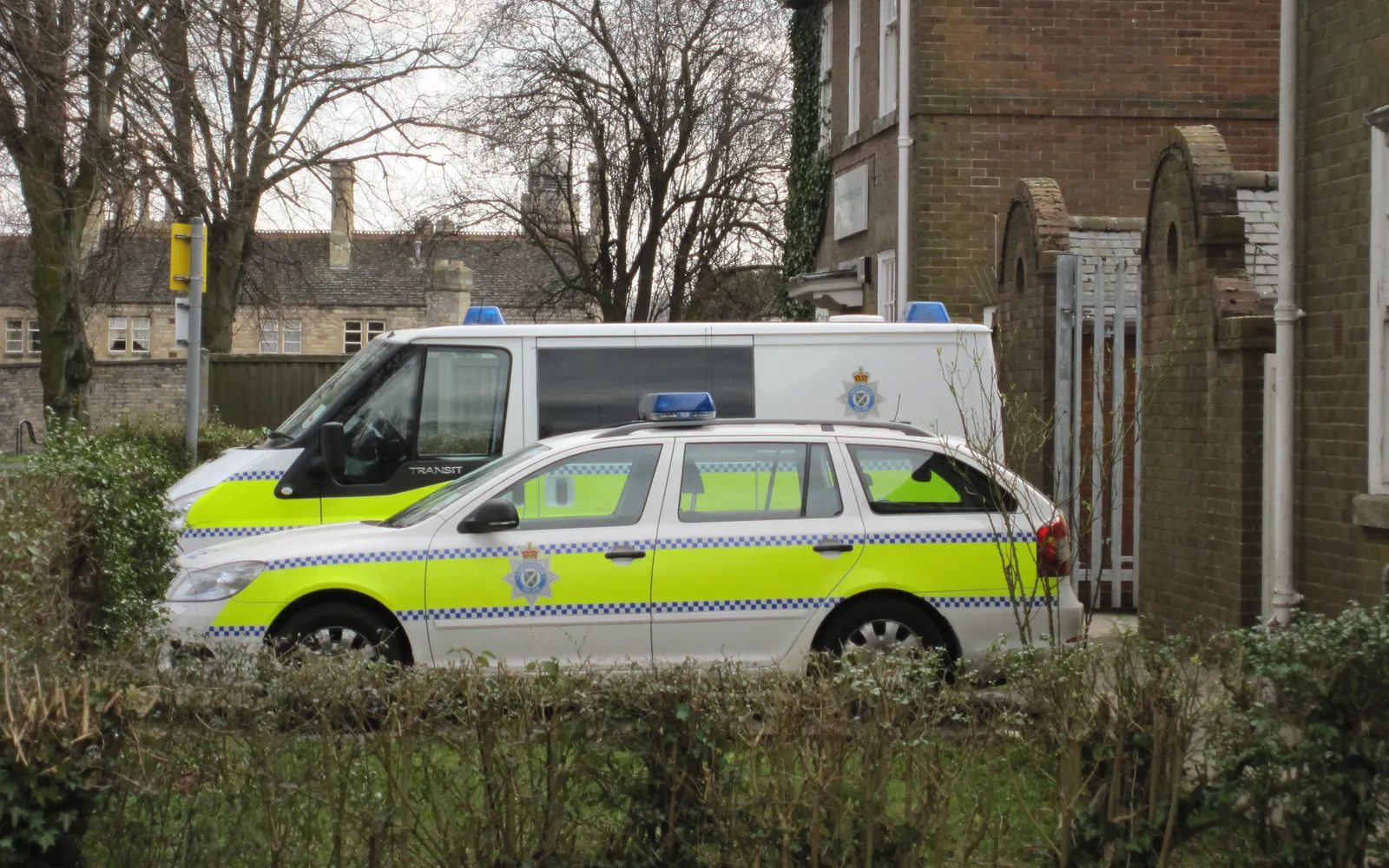
Lincolnshire Police covers a large rural county, with long distances between stations. Dynamon used ZERO to test which of the force's vehicles can move to electric on their real journeys, and to size depot chargers for every site.
Fleet

Commissioned by


Key findings
- 371 vehicles modelled from a registered fleet of 391.
- 73% of modelled vehicles can complete at least 95% of journeys on a current EV.
- 206 vehicles complete 100% of their recorded journeys on a current EV.
- 22 sites assessed, with depot chargers needed at every location.
- 81 chargers recommended: 65 at 11 kW, 12 at 50 kW and 4 at 100 kW.
“By combining Dynamon’s analysis with real operational fleet data and input from police subject matter experts, this project provides a robust evidence base for understanding the scale of police fleet electrification and the investment needed to deliver it.”
Kate Kirk-Walsh, Net Zero Projects Manager, Midlands Net Zero Hub
The challenge
Lincolnshire is a large, rural county. Stations sit a long way apart, so many vehicles cover more ground than they would in a compact urban force. The fleet still has to stay ready for emergency response while the force plans which vehicles can go electric, where chargers go, and how much power each site needs.
The fleet list supplied for the study contained 391 vehicles. 371 of them had enough telematics to be simulated in ZERO, so nearly the whole fleet was in the model. Those vehicles run from 22 locations, and all 22 need depot chargers.
The approach
Dynamon imported Lincolnshire Police telematics into ZERO. The platform replayed each modelled vehicle’s real journeys against current electric vehicle models and recorded how much of that work an EV could complete.
ZERO then sized depot chargers for each of the 22 sites and calculated the power those chargers would draw from the site supply. The force received access to ZERO afterwards, so it can keep testing replacement scenarios as vehicles and duty cycles change.
The results
Of the 371 modelled vehicles, 206 complete 100% of their journeys on a current EV. A further 63 complete 95–99%. Together that is 269 vehicles, 73% of the modelled fleet, that can go electric at the next replacement and still complete at least 95% of the journeys they run today.
The other modelled vehicles fall short of that mark. Long runs between stations mean some duty cycles still exceed what a current EV can cover without a change to how the vehicle is used.
Across the 22 sites, ZERO recommends 81 depot chargers.
- 65 chargers at 11 kW
- 12 chargers at 50 kW
- 4 chargers at 100 kW
Part of a national programme
This Lincolnshire study is one of 12 fleet reports Dynamon produced for the Midlands Net Zero Hub and the Department for Energy Security and Net Zero, with the Home Office. Across those fleets, about 7,500 vehicles were registered at 480 locations, and about 6,400 were modelled on 26.5 million miles of telematics.
Of the vehicles modelled in the programme, 82% (about 5,300) can go electric at their next replacement while completing 95% or more of their journeys. The studies recommended 1,563 depot chargers in total. Separate clustering work for Nottinghamshire, South Yorkshire and West Yorkshire looked at police, fire and ambulance sites sharing electrical infrastructure. At suitable co-located sites, shared infrastructure could cut grid upgrade costs by around 20%.
Midlands Net Zero Hub has published the national assessment of all 48 UK police forces and agencies. It estimates about 18,300 charge points across more than 2,000 police sites, at a cost of about £1.4 billion. Around 80% of that cost is grid connections and electrical upgrades.
Lincolnshire Police now has a vehicle-level view of what can electrify, and a charger plan for all 22 sites, based on the journeys the fleet actually runs.